
Find the Perfect C-Arm for Your Medical Specialty
Every specialty has unique imaging requirements. Explore our comprehensive guides to discover which C-Arm systems, features, and configurations are ideal for your specific procedures and practice.
Choosing the right C-Arm system starts with understanding your specialty's specific imaging needs. Different medical specialties require different imaging capabilities, from the high-resolution bone detail needed in orthopedics to the real-time vascular imaging required for interventional procedures. This guide breaks down the ideal C-Arm features, recommended models, and key considerations for each major medical specialty.
Not sure which specialty guide fits your needs? Our C-Arm experts can help you identify the perfect system. Call us at 888-838-7488 or request a consultation.
Orthopedic Surgery
Orthopedic procedures demand high-resolution bone imaging with large fields of view for extremities and spine. The ideal C-Arm must provide exceptional detail for hardware placement while maintaining workflow efficiency in the OR.
Key Requirements
- High-resolution imaging for bone detail
- Large field of view for extremities
- Pulsed fluoroscopy for dose reduction
- Motorized positioning for surgical workflow
- Multiple magnification modes
Recommended Features
Typical Procedures
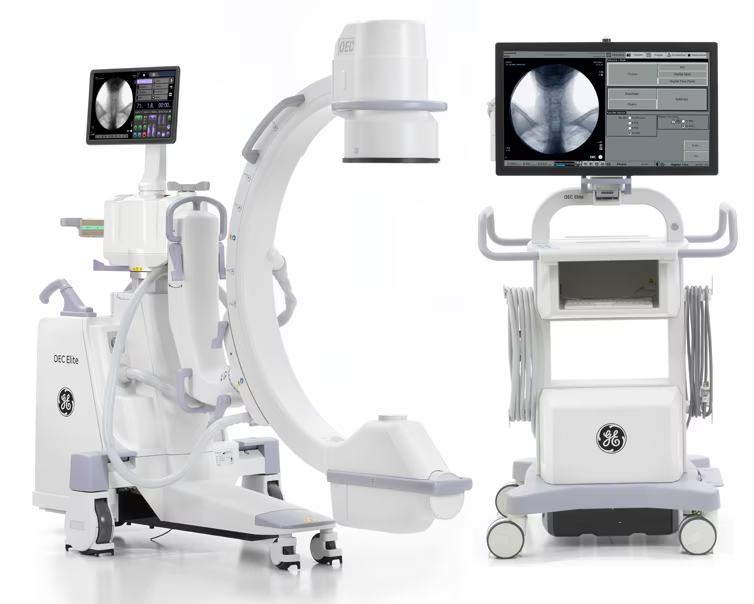
Detailed analysis of imaging requirements, recommended models, and workflow optimization
Related Specialties
Related Guides for Orthopedic Surgery
Mini C-Arms vs. Full-Size C-Arms for Orthopedic Procedures
Compare imaging capabilities and determine which system fits your practice
Best C-Arm Models for Orthopedic Surgery Centers
Top-rated systems for ASCs and hospital orthopedic departments
C-Arm Positioning Techniques for Orthopedic Procedures
Master optimal angles and positioning for common orthopedic cases
Pain Management & Interventional Spine
Pain management procedures require precise needle guidance with minimal radiation exposure. Compact systems with excellent image quality and dose management are essential for high-volume practices.
Key Requirements
- Precise needle guidance capabilities
- Low-dose pulsed fluoroscopy
- Compact design for procedure rooms
- Dose tracking and reporting
- Quick positioning and setup
Recommended Features
Typical Procedures
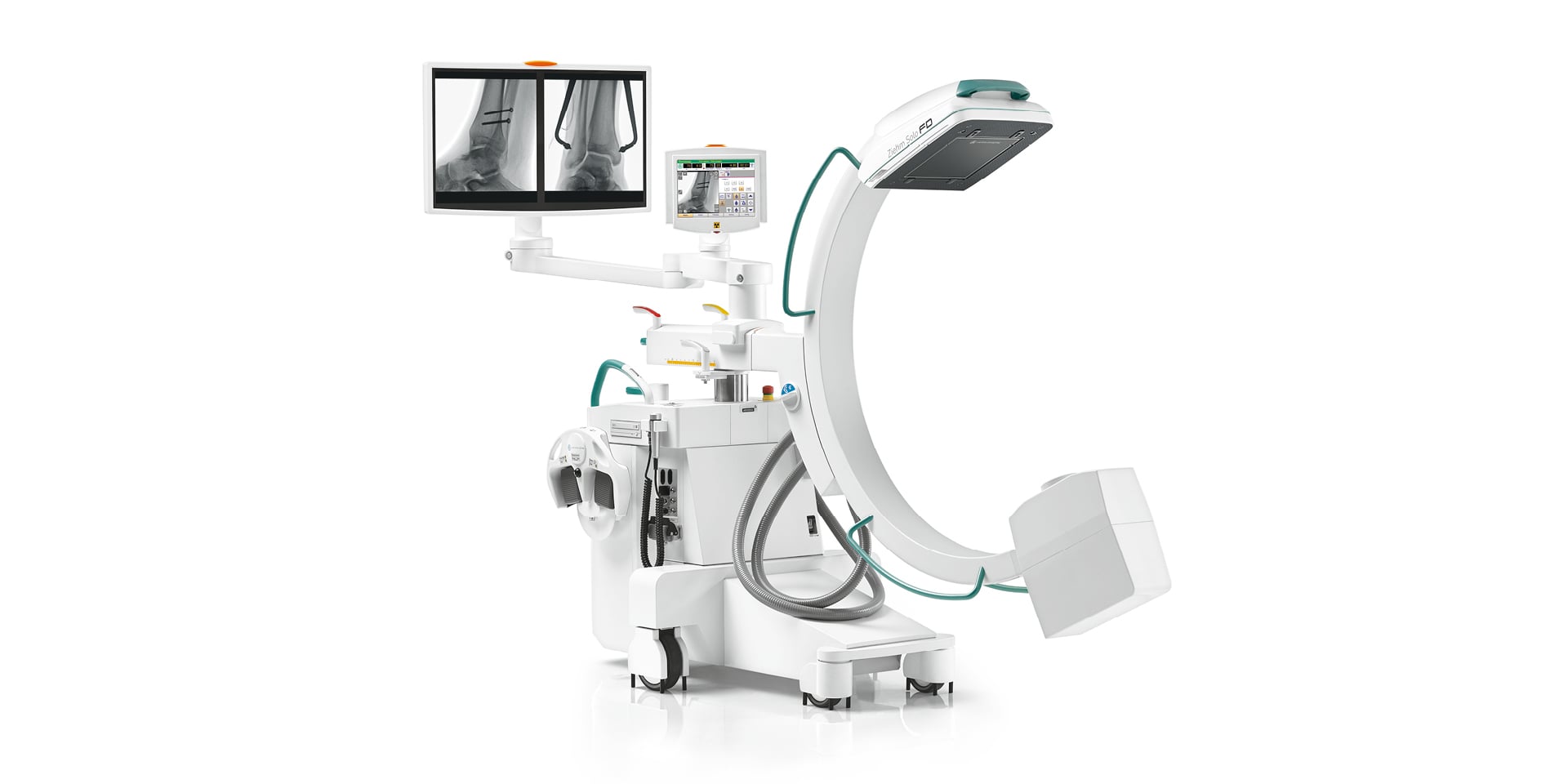
Everything you need to know about selecting a C-Arm for interventional pain procedures
Related Specialties
Related Guides for Pain Management & Interventional Spine
Radiation Safety in Pain Management Fluoroscopy
Best practices for minimizing dose in high-volume pain practices
Compact C-Arms for Pain Management Clinics
Space-efficient systems perfect for outpatient settings
Dose Tracking Requirements for Pain Management
Understanding compliance and documentation needs
Vascular & Interventional Radiology
Vascular procedures demand real-time imaging with superior contrast resolution and large display monitors. Flat panel detectors and advanced roadmapping capabilities are essential for complex interventions.
Key Requirements
- Flat panel detector for superior image quality
- Roadmapping and subtraction capabilities
- Large high-resolution monitors
- Extended C-arm reach and rotation
- Advanced dose management
Recommended Features
Typical Procedures
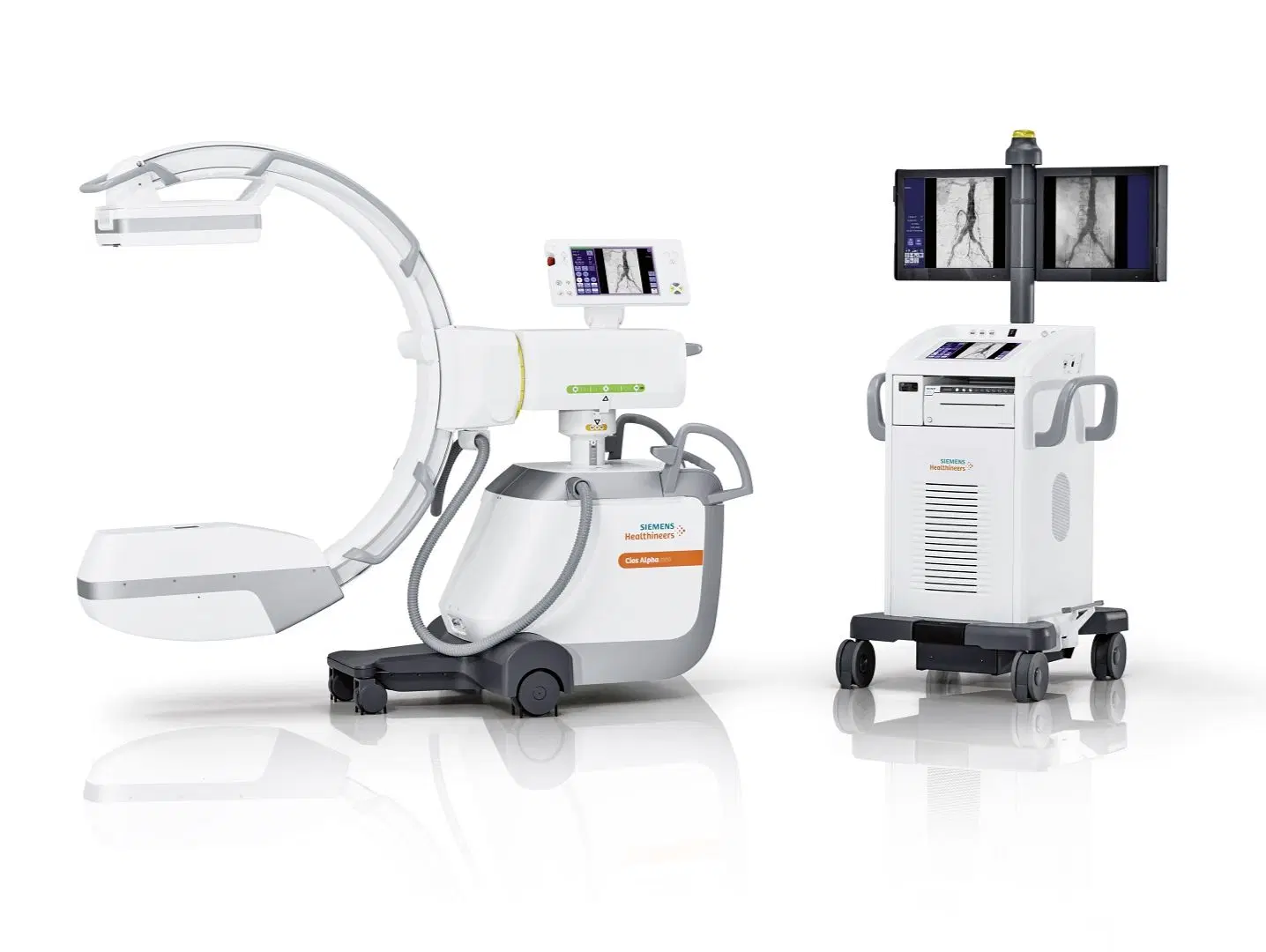
Comprehensive guide to flat panel systems and advanced imaging features
Related Specialties
Related Guides for Vascular & Interventional Radiology
Flat Panel vs Image Intensifier for Vascular Procedures
Why flat panel technology matters for interventional radiology
Roadmapping and Advanced Imaging Features
Understanding software capabilities for complex interventions
C-Arm Requirements for Hybrid ORs
Integrating C-Arm systems in advanced surgical suites
Urology
Urological procedures benefit from compact, maneuverable C-Arms with excellent image quality for stone procedures and minimally invasive surgery. Dose management is critical for patient safety.
Key Requirements
- Compact design for flexible positioning
- High-resolution imaging for stone visualization
- Pulsed fluoroscopy for dose reduction
- Quick setup and positioning
- Durable construction for frequent use
Recommended Features
Typical Procedures
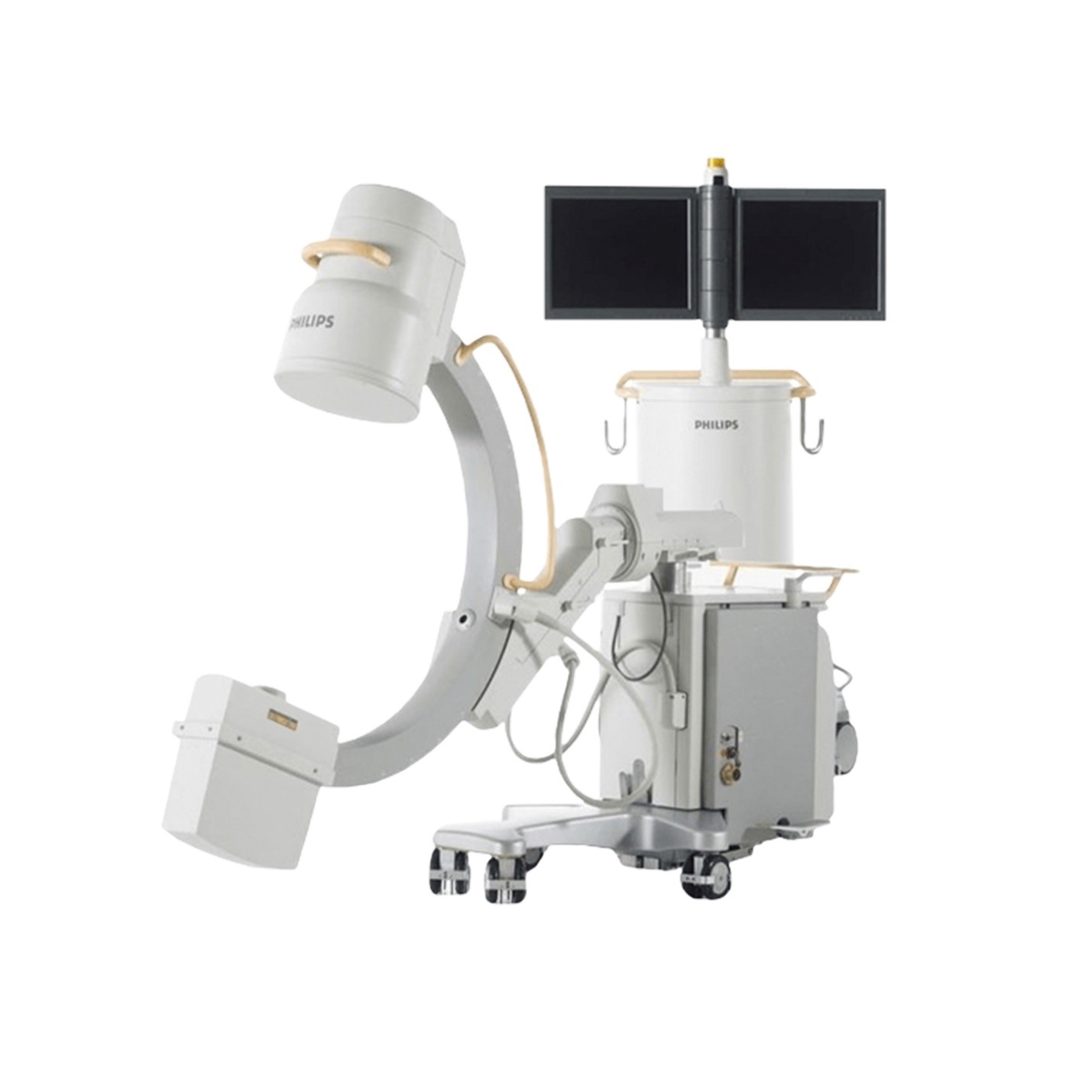
Selecting the right C-Arm for urological applications
Related Specialties
Related Guides for Urology
Best C-Arms for Kidney Stone Procedures
Imaging requirements and recommended systems for lithotripsy
Compact C-Arms for Urology Suites
Space-efficient systems with excellent maneuverability
Radiation Safety in Urological Fluoroscopy
Protecting patients and staff during stone procedures
General Surgery
General surgery requires versatile C-Arms capable of handling diverse procedures. Mobile systems with quick setup and multi-purpose capabilities are ideal for busy surgical departments.
Key Requirements
- Mobile design for multi-room use
- Versatile imaging capabilities
- Quick setup and positioning
- Reliable performance
- Easy-to-use interface
Recommended Features
Typical Procedures
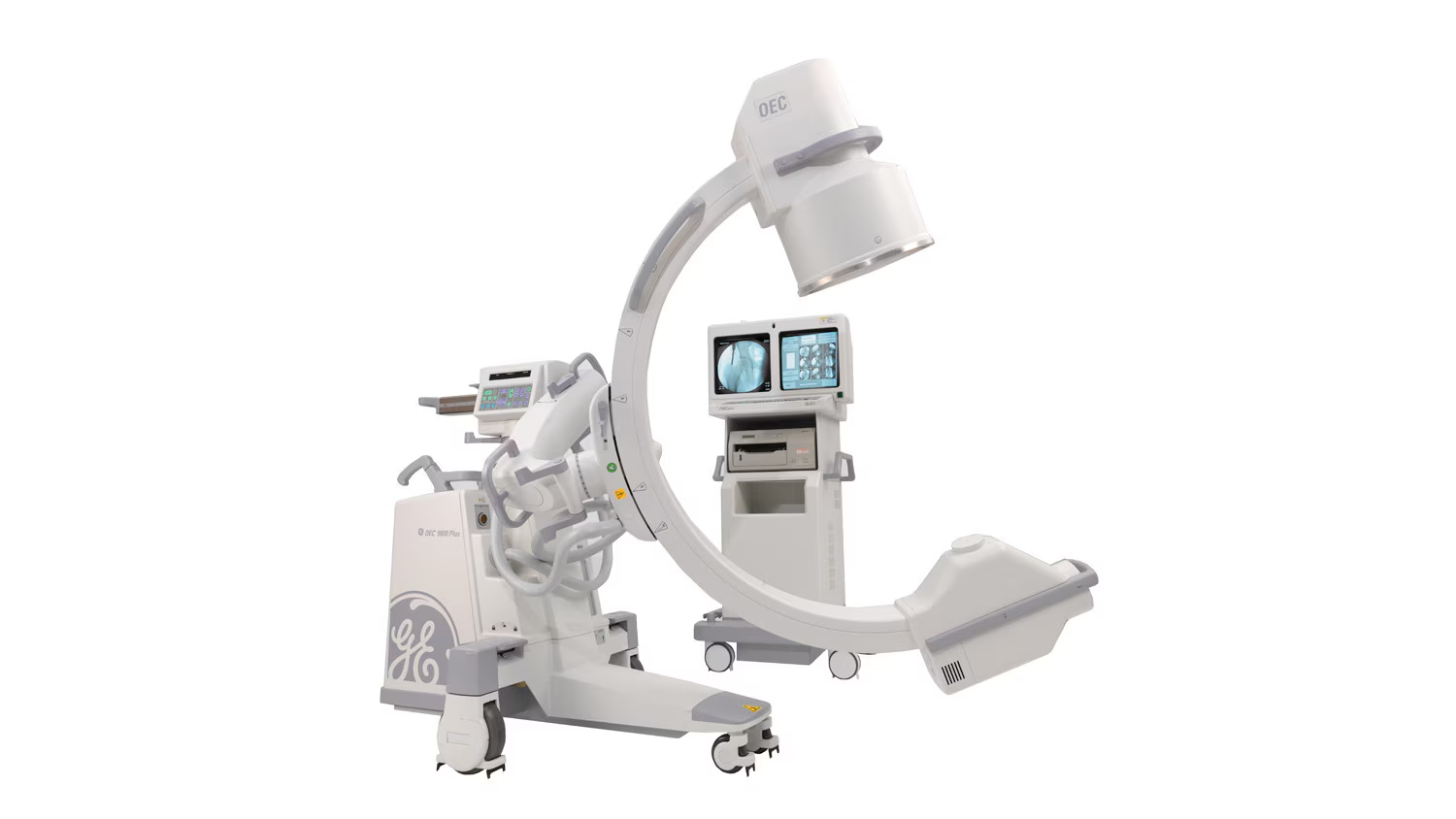
Multi-purpose systems for diverse surgical applications
Related Specialties
Related Guides for General Surgery
Mobile C-Arms for Multi-Room Surgical Departments
Maximizing utilization across multiple ORs
C-Arm Workflow Integration in General Surgery
Optimizing setup and positioning for efficient procedures
Cost-Effective C-Arms for Community Hospitals
Balancing capability and budget for general surgical imaging
Emergency & Trauma
Emergency departments need rugged, mobile C-Arms with fast imaging capabilities and reliable performance. Battery backup and durable construction are essential for 24/7 operation.
Key Requirements
- Mobile design for rapid deployment
- Fast imaging and quick setup
- Battery backup for reliability
- Rugged, durable construction
- Simple, intuitive operation
Recommended Features
Typical Procedures
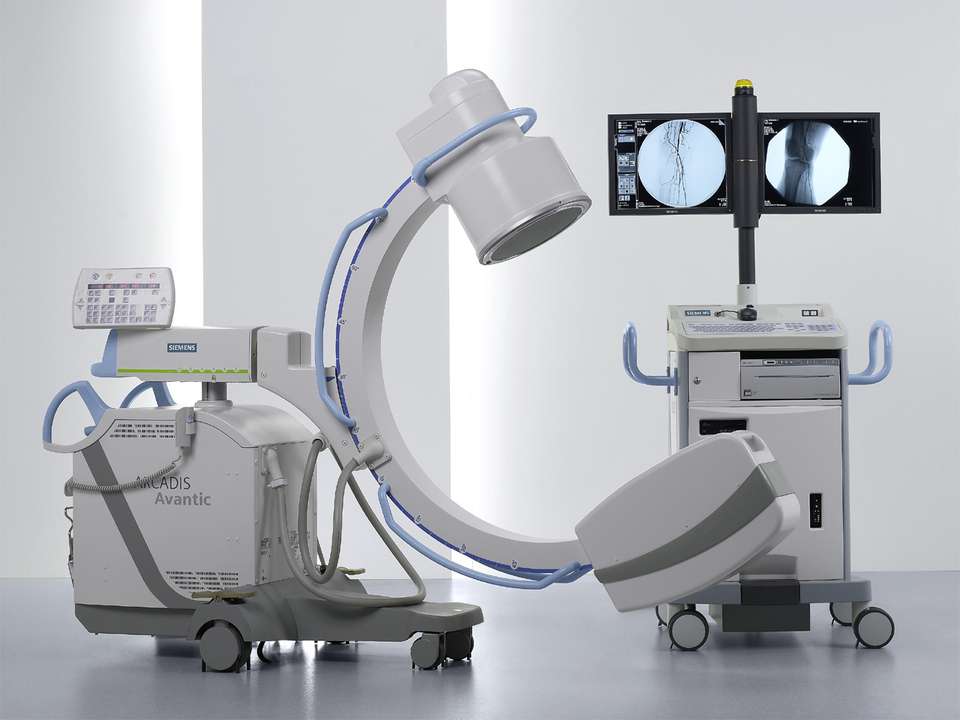
Selecting reliable systems for 24/7 emergency operations
Related Specialties
Related Guides for Emergency & Trauma
Frequently Asked Questions About Specialty-Specific C-Arms
Ready to Find Your Perfect C-Arm Match?
Our C-Arm specialists have helped hundreds of practices across every medical specialty find the ideal imaging system. Get personalized recommendations based on your procedures, volume, and budget.